- Home
- Our Recipes
- Italian Pasta Types and a Pasta Map
Join A Secret Italy
You come to Italy thinking it will be a trip. You leave knowing it was a beginning
Explore Italy's Pasta Paradise: A Regional Guide & Pasta Map
💡 Ditch the roaming fees in Italy. Save 10% on your Saily eSIM with coupon code italymammamia10
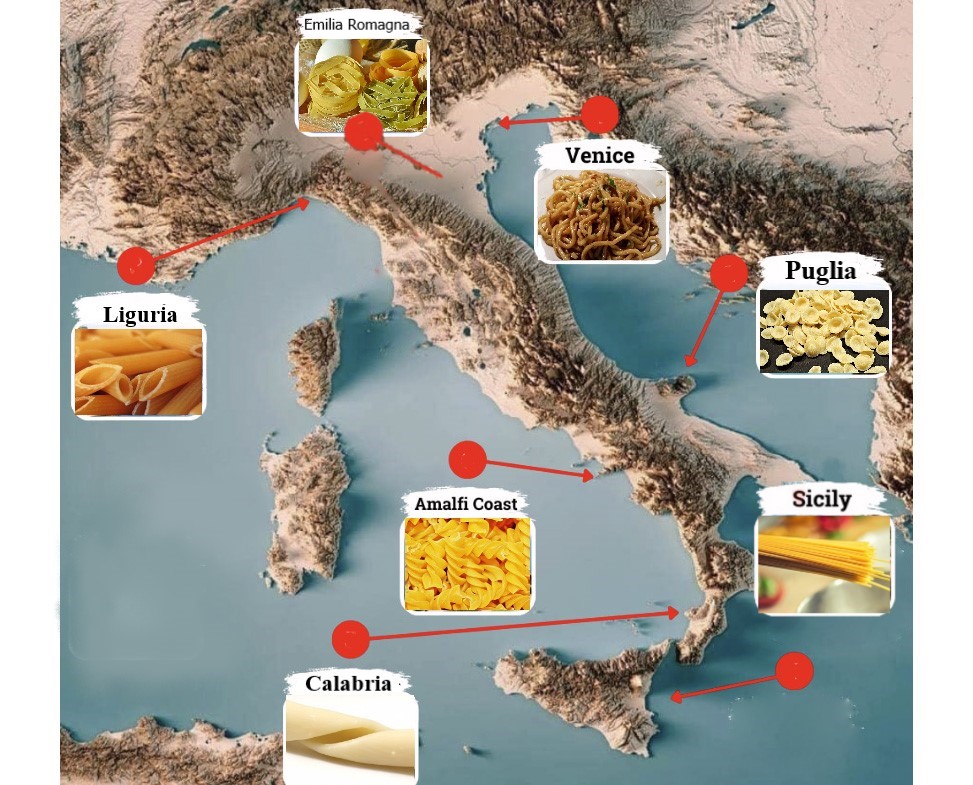
Ah, Italia! The land where pasta isn't just food—it's a way of life. Join me on a pasta journey through Italy's diverse regions, as I map out just where each twist, twirl, and shape of pasta comes from.
Scroll down to the bottom for our How to Cook Pasta Guide and our Guide to the Best Pasta Brands
Northern Italy
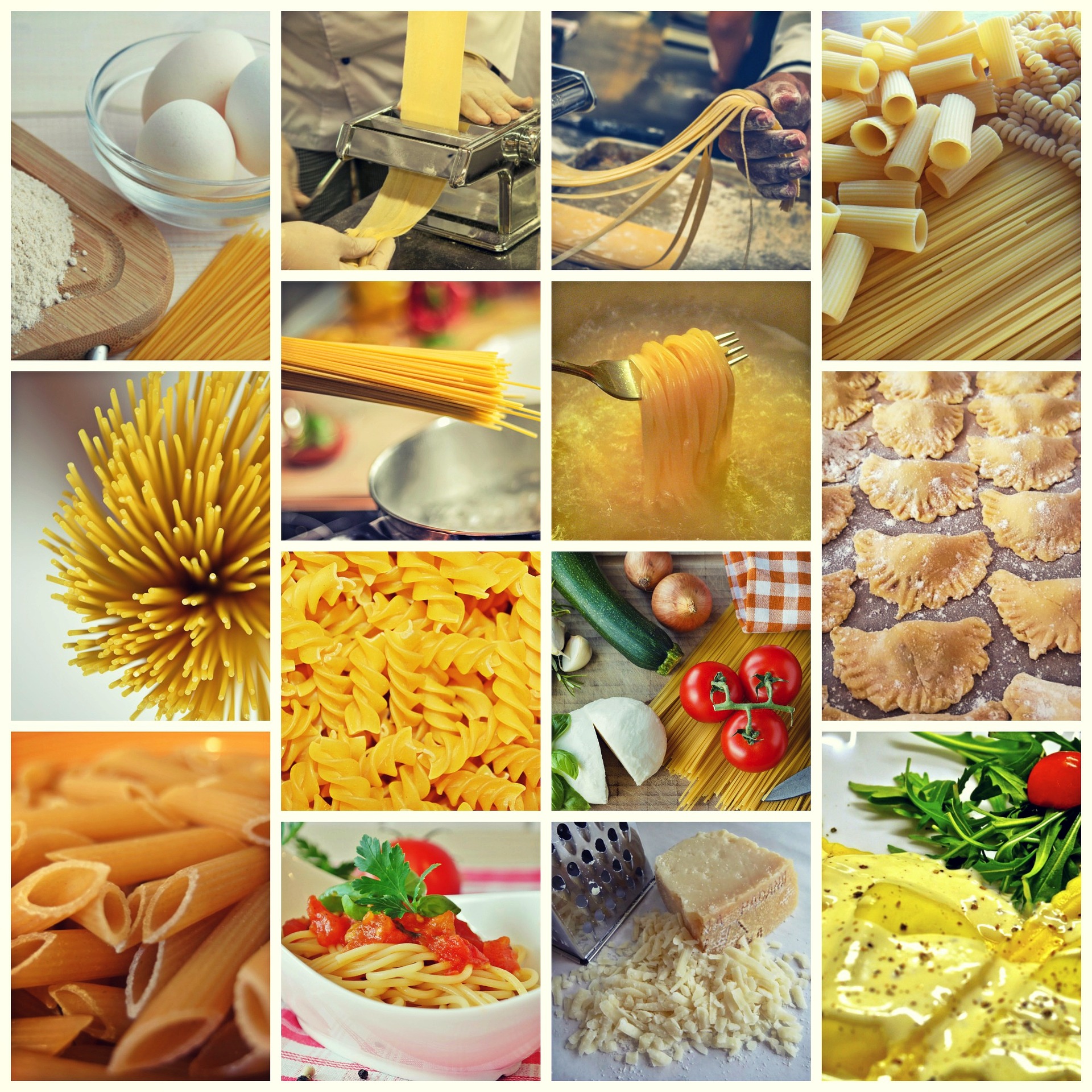
Liguria - Trofie: These short, twisted pasta spirals are like little works of art, perfectly paired with Liguria's famous basil-rich pesto sauce. Close your eyes, take a bite, and you're transported to the sunny Italian Riviera.
Liguria - Penne: Invented in Genoa, this tubular pasta is now found across the map of Italy and across the world too. It's Italy's most versatile canvas for culinary creativity.
Lombardy - Pizzoccheri: Buckwheat pasta from the alpine Valtellina region, where potatoes, greens, and a sprinkle of mountain cheese dance together in a hearty embrace. It's rustic, it's comforting—it's a taste of northern Italy's alpine soul.
Veneto - Bigoli: Thick and satisfying, these whole wheat pasta strands are a Venetian favorite, dressed in rich duck or sardine sauce. Perfect for a chilly evening by the canals. These are some restaurants I can recommend in Venice if you'd like to try bigoli while you are visiting Venice.
Piedmont - Agnolotti: Elegant pasta pockets, filled with the flavors of Piedmontese hills—meat, vegetables, and a hint of love. Delicate, yet hearty enough to satisfy the hungriest traveler. In the wonderful city of Turin you'll find agnolotti on the menu at all of the city's traditional restaurants. There's a smaller, daintier version too, that was tailor-made for the Savoy kings; it's called Agnolotte del Plin. You've really got to try it.
Central Italy
 Tagliatelle
Tuscany - Pici: Hand-rolled pasta in simple sauces of garlic, olive oil, and juicy tomatoes. This is the taste of la dolce vita, under the Tuscan sun.
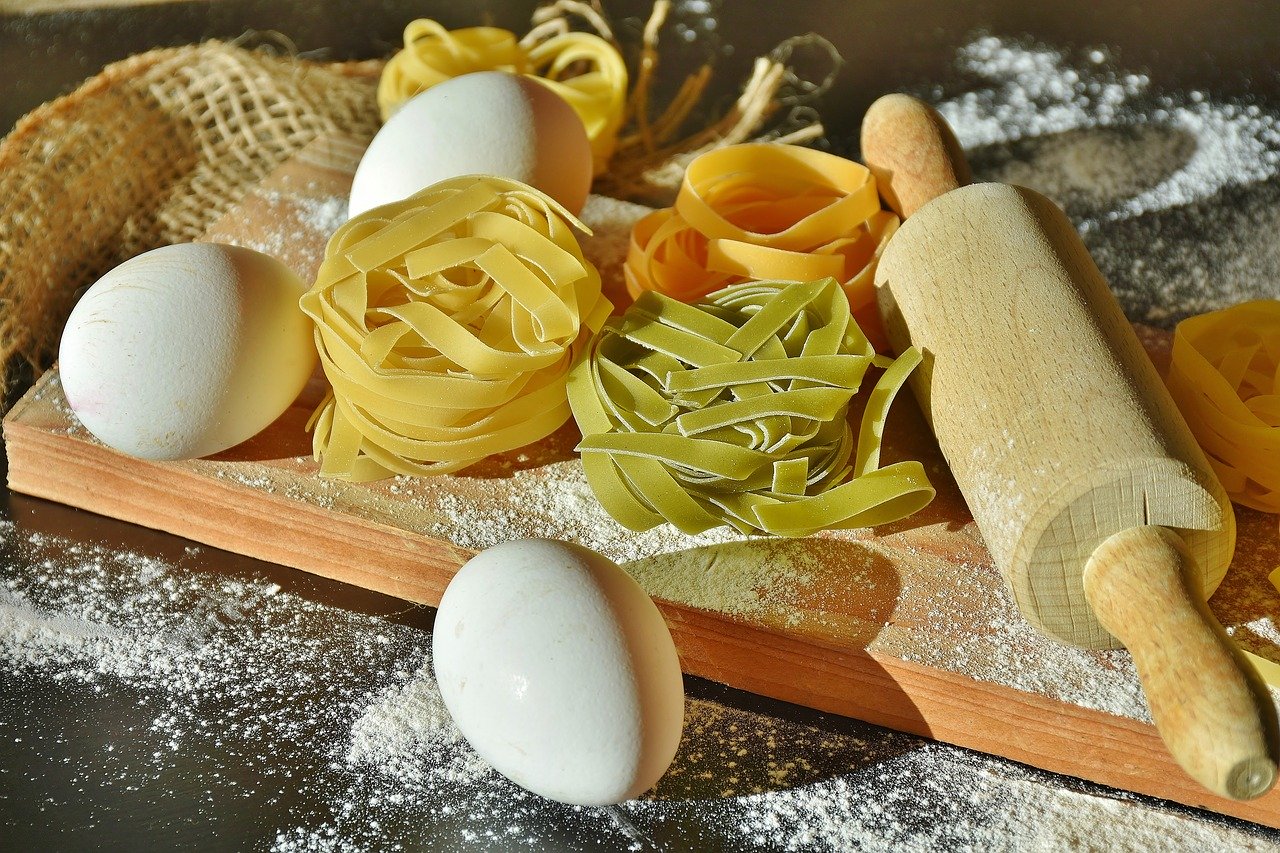
Emilia-Romagna - Tagliatelle: Long, flat ribbons of pasta that cradle Bologna's rich, meaty Bolognese sauce - here's the authentic recipe. A perfect combination of slow-cooked tomatoes, simmered meats, and generations of pasta perfection.
Tuscany - Pappardelle: Wide, flat pasta that marries beautifully with Tuscany's wild boar ragu, a dish that speaks of ancient forests and rolling hills.
Lazio - Bucatini: Spaghetti's thicker cousin, with a hollow center that combines perfectly with Lazio's bold Amatriciana sauce—tomatoes, pecorino cheese, and a hint of fiery chili. Rome's passionate soul is reflected in this dish.
Southern Italy
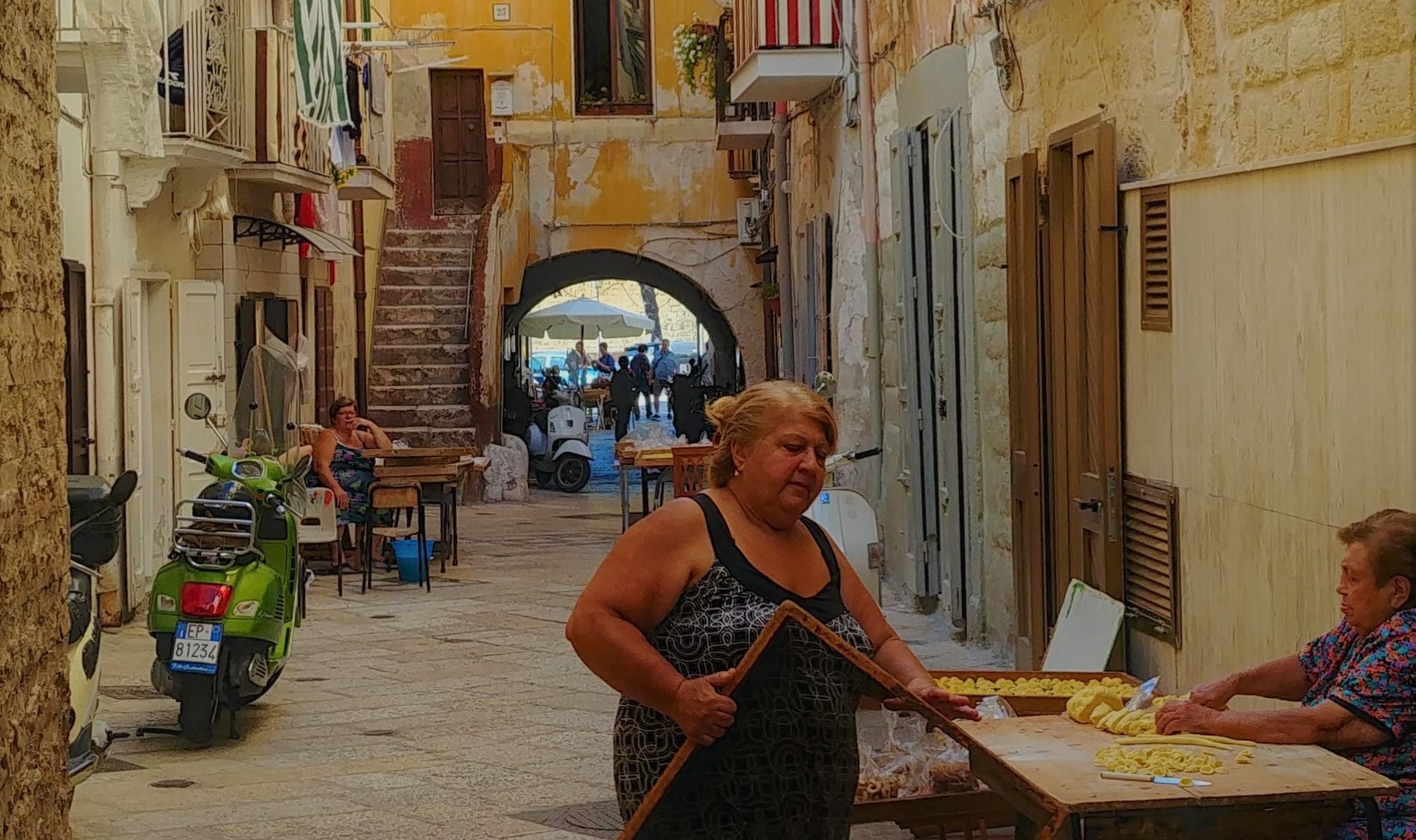 Mamma makes pasta in Bari
Apulia - Orecchiette: "Little ears" that capture Apulia's sunny essence, tossed with bitter broccoli rabe or turnip greens. Simple, yet bursting with the flavors of southern Italy's fertile land. In Bari, I loved how the local grandmothers make these in the street - here's the story.
Apulia/Molise - Cavatelli: Small, shell-like pasta cradling Apulia and Molise's love for ricotta and tomato-based sauces. It's a taste of southern comfort under Italy's warm Mediterranean sun.
Campania - Paccheri: Big tubes of pasta that hug Campania's rich, chunky sauces, filled with local tomatoes and tender chunks of meat. All of Naples' bold flavors and lively spirit in every bite.
Campania - Fusilli: Spirals of pasta that spin tales of Campania's sun-drenched fields, tossed with fresh tomatoes and savory meats.
Calabria - Fileja: Hand-rolled pasta twisted around a reed, served with hearty Calabrian sauces like 'nduja or ragu. This is my favorite fileja recipe.
Islands
Sicily - Busiati: Twisted pasta strands that are just the thing with Sicily's pesto Trapanese—tomatoes, almonds, and basil. You've got Sicilian sunshine and the island's ancient culinary traditions served to you on a plate.
Sicily - Spaghetti: Italy's golden threads, loved from Milan to Palermo, draped in everything from carbonara to spicy arrabbiata. It's the pasta that unites Italy's diverse flavors and it is the Italian pasta that you will find pretty much anywhere on earth.
Sardinia - Culurgiones: Stuffed pasta pockets filled with potatoes, pecorino cheese, and mint—Sardinia's hearty embrace on a plate.
Sardinia - Malloreddus: Ridged pasta bites that embrace Sardinia's wild heart, cradling a hearty sausage ragu. A taste of the island's rugged beauty and robust flavors.
General Types Found Nationwide
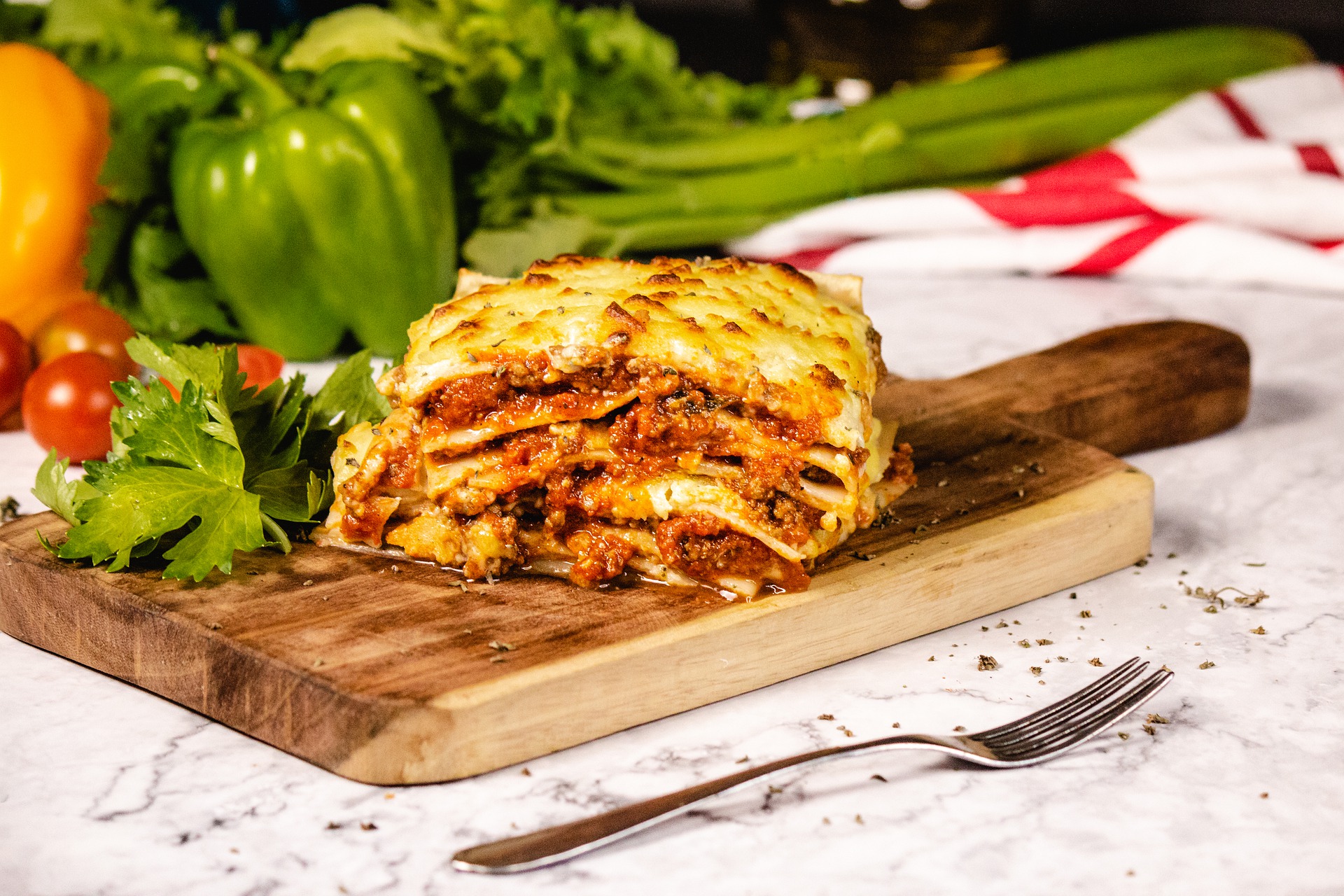 Lasagna
Farfalle: Butterfly-shaped pasta that is ideal for delicate sauces.
Lasagna: Layered pasta sheets that hold Italy's heart in every bite. It's the dish that speaks of family gatherings, laughter, and the warmth of home. Versions of lasagna are found throughout much of Italy; however, the most famous one, the one we all associate with lasagna, comes from Emilia Romagna and here's the real authentic recipe, just the way I make it at home.
How to Cook Pasta
At ItalyMammaMia, we believe pasta is sacred. Yet, across the globe, it is often treated as an afterthought—boiled into submission, drowned in sauce, or rinsed like a dirty dish. Enough.
To cook pasta the Italian way, you must follow these commandments.
1. The Water
Fill a large pot with water. For 500g of pasta, you need at least 5 liters. Why? Because pasta needs room to dance. Bring it to a roaring boil, then add a generous handful of coarse sea salt. The water should taste like the sea. This is the only moment to season the pasta itself.
2. The Cooking
Add the pasta. Stir immediately to prevent sticking. Check the package time? Ignore it. You live by the tooth now. Taste it two minutes before the suggested time. You are looking for al dente—firm to the bite, with a tiny white heart in the center.
3. The Marriage
Do not drain the pasta completely. Reserve a mug of that starchy, liquid gold. Drain the pasta (never rinse it—you are washing away the flavor!) and transfer it directly into your pan of simmering sauce. Add a splash of reserved water and toss vigorously over heat. This emulsifies the sauce, making it cling to every ridge and crevice.
4. The Serve
Serve immediately in warm bowls. Grate some cheese (only if the sauce is not a seafood one). Mangia!
The Best Pasta to Buy
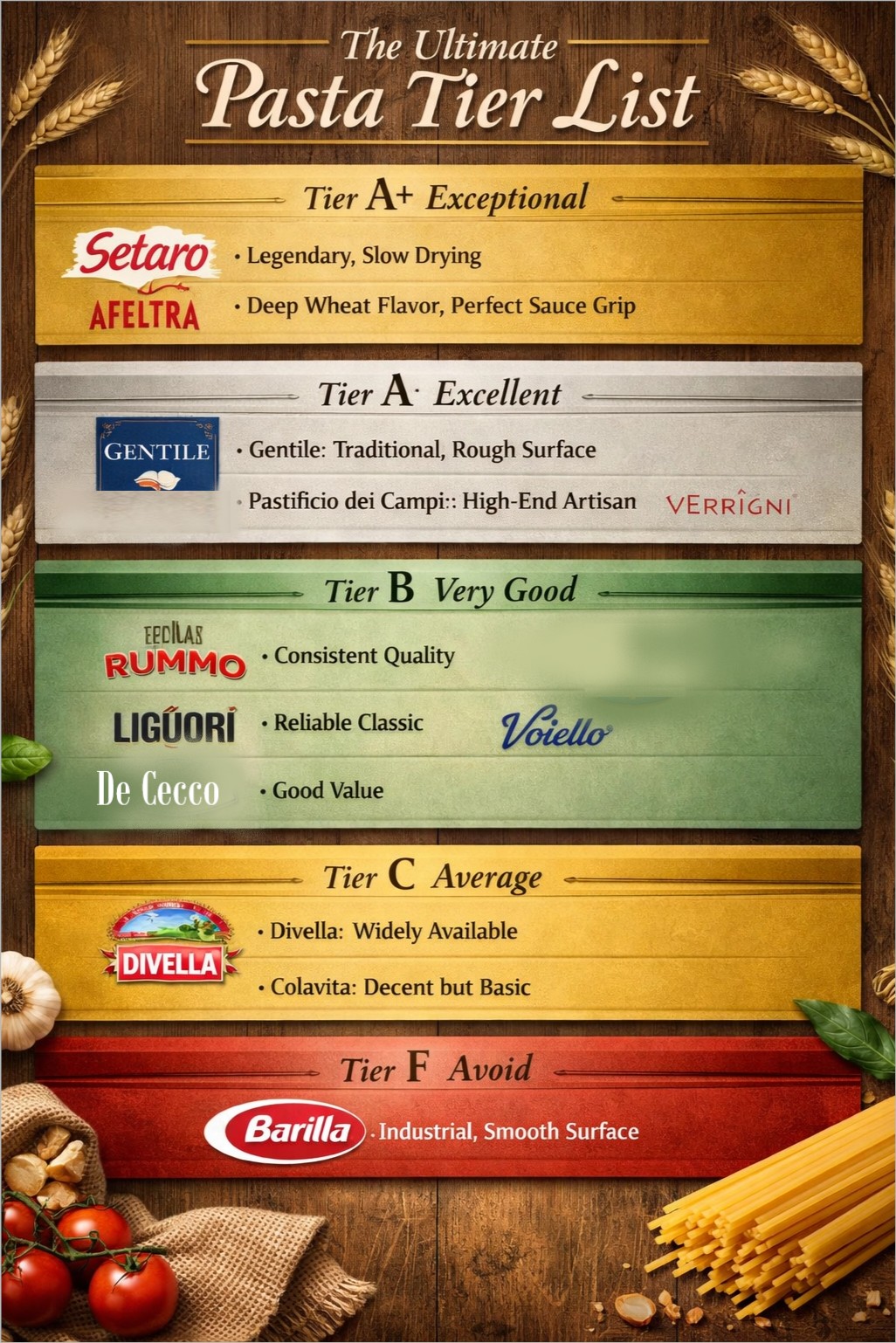
First, hold that package up to the light—good dry pasta should glow like golden Italian wheat, a pale amber color, not that bright yellow stuff that tastes like cardboard. Second, run your fingers across the surface; it should feel rough, like volcanic rock, because that coarse texture is what screams out for sauce to cling to it. Finally, flip it over and hunt for the protein content—if it doesn't hover around 14 grams per 100, you're buying dust, not dinner, so put it back and find a brand that respects the grain.
Finally, read the ingredients: if it contains more than just "durum wheat semolina" and water, or if it cooks in less than 9 minutes, put it back on the shelf.
Please Book With Us... Maria here; if you enjoy my site, I'd love your support. Simply book your next trip anywhere (not only to Italy) via the link below or with any of the hotel links on the website.
You'll get the best deal available and the income I receive helps me to remain independent and to keep bringing you more of beautiful Italy.
You'll Enjoy These...
Mamma’s Italian Meatballs Recipe: Just Like in Italy
My mamma makes the BEST Italian meatballs recipe. Yes, the BEST. They are to die for, and if you don't believe me, try them yourself. Here is the recipe.
Our Authentic Italian Cookies Recipe - Almond and Orange Heaven
An Authentic Italian Cookies recipe, straight from Italy, these cookies are great to dip into coffee, or red wine, and are the perfect breakfast treat.
Best Veneto & Venice Restaurants - Cooking as Good as my Mamma's
Authentic Veneto & Venice dining: Discover local restaurants that cater to residents, not tourists. Rarely featured in guidebooks, these are true treasures.
The Ultimate Italian Cookbook Guide: Find Your Perfect Match
From Nonna's secrets to modern masterpieces, find the Italian cookbook made for you. Our guide cuts the clutter to make your choice simple. Buon Appetito!
Quick and Easy Chicken Recipes from Italy
We have an abundance of quick and easy chicken recipes and other great Italian recipes on the site. All are authentic, easy to make and delicious of course!
How to Make a REAL Aperol Spritz - an Italian Summer in Every Glass
Can't get to Italy? Then bring a little Italy to wherever you are in this great big wonderful world with our Aperol Spritz recipe: it turns anywhere into Italy!
Venice Food & Recipe Guide – Authentic Flavours of La Serenissima
Discover the great cuisine of Venice and the Veneto region with us. You simply have to try our amazing recipes.. and hear the amazing stories behind them
Sorrento Sunshine awaits in Every Dish of Spaghetti al Limoncello
I make this spaghetti recipe and I'm on the Amalfi Coast. I can feel that gentle breeze in the air, fragrant with the scent of the sea, jasmine and lemons.
Mamma’s Kitchen: Our Perfect Homemade Lasagna
Here’s my homemade lasagna, made the way my Italian mother taught me. It’s a recipe our family adores, filled with tradition, flavor, and homemade goodness.
The Traditional Italian Homemade Polenta Recipe
This polenta recipe is one hundred percent traditional. It is the way my nonna (grandmother) has always made it and her mother before her. You'll love it!
Venice and Veneto Travel Guide: The Itinerary You Can’t Miss
Go further than Venice with our Veneto itinerary—discover medieval towns, wine country, and breathtaking landscapes just a short trip away.
The Best of the Venice Restaurant Guide
A marvelous restaurant, no other restaurant in our Veneto and Venice Restaurant Guide can beat this restaurant – Absolutely superb dining.
Trattoria alla Vedova - Traditional Venetian Dinning in Venice
A good restaurant in Venice Italy that I can highly recommend is the Trattoria alla Vedova. My review explains why you should really definitely eat here.
Osteria al Duca - A Taste of Tradition
In the 13th century house where Romeo (of Romeo and Juliet fame) once lived exists an Osteria, the oldest in Verona. A true taste of tradition.
From Italy: Nonna's Clam Spaghetti with Pistachio Pesto.
Transport yourself back to the Italian seaside of yesteryear with a taste of nostalgia: nonna's spaghetti and clams, a dish that invokes cherished memories.
Need a Good Restaurant in Padova?
If you are looking for a good restaurant in Padova, then we've just the place: a little family run restaurant serving traditional dishes in the old town.
Osteria Anice Stellato Review – Authentic Dining in Venice, Italy
Dine like a local at Osteria Anice Stellato in Venice’s Cannaregio—creative Venetian fare, warm hospitality, and a setting far from the usual tourist bustle.
The Italian Dish made For YOU: Try Our Italian Recipe Quiz
Which Italian dish are you? Take our quick quiz and uncover your dream recipe — from classic pasta to creamy risotto and heavenly desserts like tiramisu!
Which is the Best Italian Recipe?
I traveled from Venice to Sardinia to find Italy's best recipes. After tasting my way through the boot, here are the undisputed winners you need to make at home
Spaghetti Bolognese Does NOT Exist in Italy.
Did you know that Spaghetti Bolognese does not exist in Italy? However, the real Italian version is far more delicious... and we have the recipe just for you.
Authentic and 100% Italian - The Real Tiramisu Recipe
If you're in search of the perfect tiramisu recipe, look no further. This one is dolce heaven and 100% authentic. This is tiramisu like they eat in Italy
A Traditional Italian Asparagus Recipe
Experience this traditional Italian asparagus recipe, rooted in the flavors of the Veneto region. This and more delectable Italian dishes are on our blog.
Looking for a Good Restaurant in Vicenza?
This is one of our favorite restaurants in Vicenza—friendly, delicious, and always a treat. If you're hungry and in town, this is a spot worth knowing.
Traditional Venetian Sardine Recipe – A Taste of Venice
Sarde in Saor is Venice’s famous sweet-and-sour sardine dish. Once you try it, you’ll crave it forever. Easy to cook, authentic, and so good!
Need A Good Restaurant near Lake Garda?
Looking for a good restaurant near Garda? Then you need look no further than theTre Camini. Housed in a 16th century farmhouse near the foot of Mount Baldo.




More Travel Tips:
- Grab a Saily eSim and save 10% with coupon code italymammamia10.
- Avoid the Lines. Book your tickets to museums and other attractions in advance on Tiqets.com
- Book your accommodation. Booking.com and Agoda help you to book accommodation in advance
- Book your excursions. Wherever you go, make the most of your time! Choose the best option for yourself on Viator or Getyourguide
- Book your car. At least a month before is best. Use Discover Car Hire.
- Get peace of mind when traveling. Get insured with VisitorsCoverage.com
- Home
- Our Recipes
- Italian Pasta Types and a Pasta Map